
Can a Psychiatric Nurse Practitioner Prescribe Meds Like a Psychiatrist?

If you've been searching for mental health support and keep seeing the title "psychiatric nurse practitioner" — and wondering whether an NP can support your with psychiatric meds management - the answer is absolutely.
A psychiatric nurse practitioner is an advanced practice registered nurse who specializes in mental health. We evaluate, diagnose, and treat mental health conditions — and we prescribe and manage psychiatric medications. Many times, clients wonder if they need to see a psychiatrist AND a psychiatric nurse practitioner, or if you can see one over the other. That choice is ultimately up to you and this article goes over the differences (and many similarities) between the two.
What a Psychiatric Nurse Practitioner Does — And Doesn't Do
This is where a lot of confusion happens, so I want to be direct.
What a psychiatric nurse practitioner does:
Conduct comprehensive psychiatric evaluations — taking a full history, understanding your symptoms, your background, your life context
Diagnose mental health conditions
Prescribe and manage psychiatric medications
Monitor treatment response and adjust medications over time
Provide psychoeducation — explaining what's going on, why, and what we're going to do about it
Coordinate care with therapists and other providers when needed
What a psychiatric nurse practitioner typically doesn't do:
Provide ongoing talk therapy or psychotherapy
A psychiatric nurse practitioner is not a therapist. We can provide therapy (weekly talk therapy sessions), but usually don’t. Our work is generally focused on evaluation, diagnosis, and medication management — and we do that work in depth.
This is actually one of the most important things to understand when you're building a mental health care team: medication management and therapy are different services, and they're often most powerful when both are in place. A psychiatric nurse practitioner handles the medication piece. A therapist handles the therapeutic relationship and the ongoing processing work. When both are present, they reinforce each other.
What Kind of Training Do Psychiatric Nurse Practitioners Have?
A psychiatric nurse practitioner — often referred to by the credential PMHNP, which stands for Psychiatric Mental Health Nurse Practitioner — has completed a registered nursing degree, worked as a nurse, and then gone on to complete a graduate-level program specifically in psychiatric mental health care. That graduate program includes extensive clinical training across the lifespan, covering everything from child and adolescent psychiatry to adult and geriatric mental health.
The training is clinical from the ground up. Nursing education has always been rooted in the whole person — not just the diagnosis, but the human being behind it, their environment, their relationships, their daily life. That perspective carries into psychiatric nurse practitioner practice in a way that shapes how we approach care.
By the time a PMHNP is in practice, they have graduate-level education in psychopharmacology — the study of how psychiatric medications work, how they interact with each other and with other medications, and how to choose, dose, and manage them thoughtfully. That pharmacology expertise is the foundation of what we do.
How is a Psychiatric Nurse Practitioner Different From a Psychiatrist?
This is the question I get most often, so let me answer it plainly.
A psychiatrist is a medical doctor — an MD or DO — who completed medical school and then completed a residency in psychiatry. A psychiatric nurse practitioner completed nursing school, worked as a nurse, and then completed a graduate program in psychiatric mental health care.
The training pathways are different. But in terms of what we actually do in practice — evaluating patients, diagnosing mental health conditions, prescribing and managing psychiatric medications — the scope of practice is largely the same. Psychiatric nurse practitioners are licensed to prescribe the full range of psychiatric medications, including controlled substances where applicable, and to manage complex psychiatric presentations.
In many parts of the country, and particularly in areas where access to psychiatric care is limited, psychiatric nurse practitioners are the primary providers of psychiatric medication management. And in states where full practice authority exists — meaning we can practice without physician oversight — the distinction in day-to-day care is often minimal.
How a Psychiatric Nurse Practitioner Is Different From a Therapist
If you've ever tried to explain to someone that you're seeing a psychiatric nurse practitioner and gotten "oh, so like a therapist?" — this section is for you to bookmark.
A therapist — whether that's a licensed clinical social worker, a licensed professional counselor, a licensed marriage and family therapist, or a psychologist — provides talk therapy. Their work is rooted in the therapeutic relationship, processing, coping skills, and behavioral change. Therapists do not prescribe medication.
A psychiatric nurse practitioner prescribes and manages medication. We are allowed to provide talk therapy, but do not get the same extensive training in talk therapy that a therapist does, unless we get additional training outside of our schooling. Most psychiatric nurse practitioners choose to only focus on prescribing medication.
These are genuinely different services, and both can be genuinely important. If you have a therapist you trust and things are going reasonably well but you've hit a ceiling — or if you're wondering whether medication might help with what you're dealing with — that's when seeing a psychiatric nurse practitioner or psychiatrist might be a good idea. In that case, we woul work alongside your therapist, not instead of them.
What Makes a Good Psychiatric Nurse Practitioner — And What to Look For
Not all providers are the same, and I think you deserve honesty about what to look for when you're choosing someone to manage your psychiatric medication.
Specialization matters. A psychiatric nurse practitioner who works specifically with the populations you belong to — whether that's teens, young adults, pregnant or postpartum women, or specific mental health conditions — is going to bring a depth of knowledge to your care that a generalist won't. Specialization means they've seen what you're dealing with many times, they know the nuances, and they're not learning on the job with your case.
Time matters. A first appointment that's 20 minutes long is not a psychiatric evaluation. It's a transaction. A real evaluation takes time — time to understand your history, your current situation, your goals, your concerns. If a provider isn't giving you that time, they're not getting the full picture. And if they don't have the full picture, the care that follows will reflect that.
Communication matters. Mental health medication management is not a set-it-and-forget-it process. Medications need to be monitored, adjusted, checked in on. Things change. Life gets more complicated, or less. Questions come up between appointments. A provider who is accessible — who you can actually reach when something comes up — is a fundamentally different experience than one you can only contact through a front desk that returns calls three days later.
The relationship matters. This is the one that doesn't always get said, but I think it's one of the most important. You are going to be talking to this person about things that are hard to talk about. You are going to be honest with them — or you're going to need to be, for the care to work. The relationship has to feel safe. You should feel informed, not managed. Respected, not processed. Like a person, not a chart.
What My Practice Looks Like
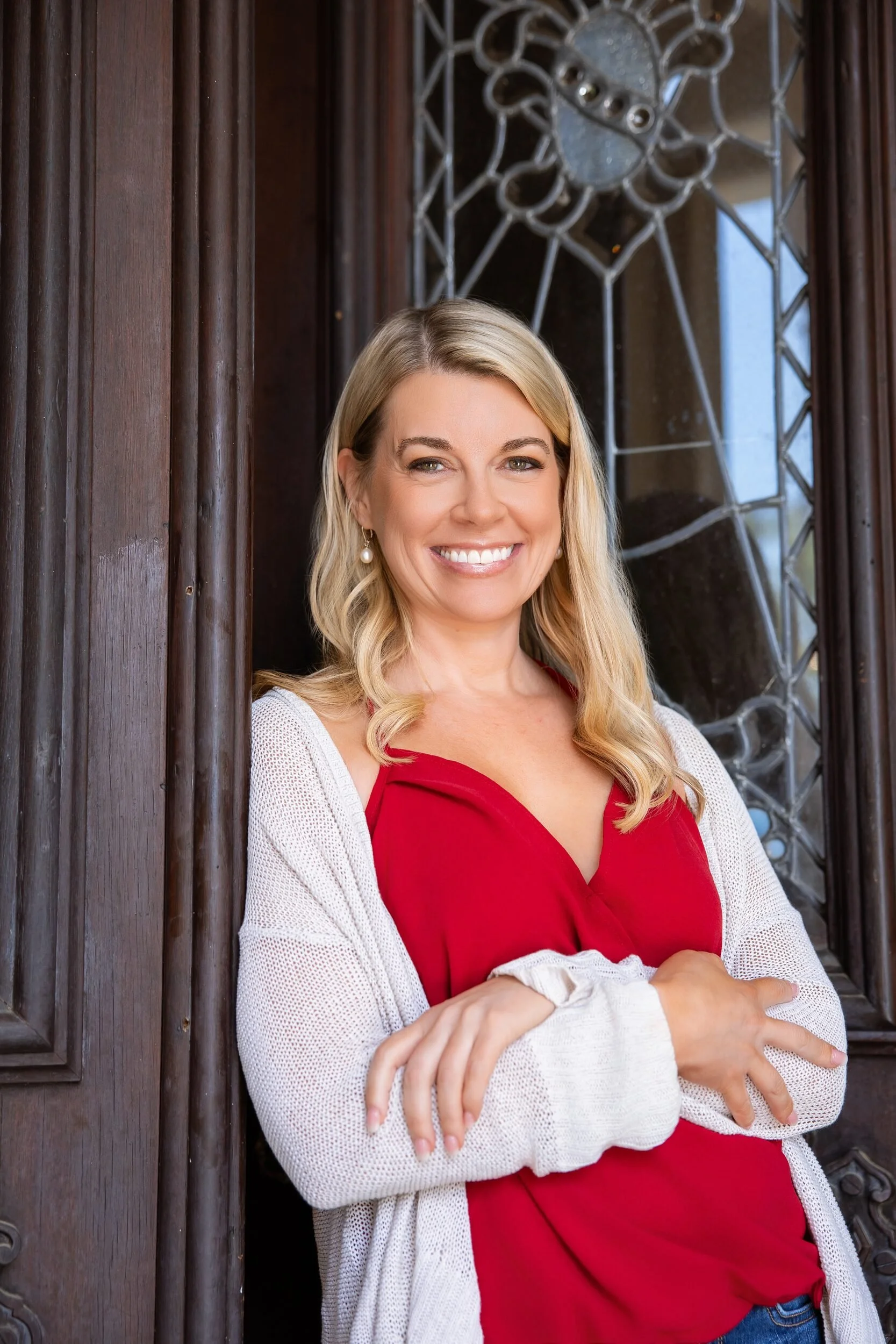
I'm a psychiatric nurse practitioner specializing in medication management for teens, young adults, and women across the lifespan — including during pregnancy and postpartum. I work with people across New York, Colorado, and Tennessee, fully online.
My first appointments are a full hour. I take the time to really understand what's going on — not just the symptoms, but the context, the history, the life circumstances that shape what's happening. I explain things clearly, in plain language, without jargon. I tell you what I'm seeing, what I'd recommend, and why — and then I ask what you think, because you are the expert on your own experience and your input belongs in every decision we make together.
Between appointments, you can reach me directly through a HIPAA-compliant texting platform. No phone tree, no front desk, no waiting days to hear back. Just direct access to your provider when you need it.
If you've been wondering whether a psychiatric nurse practitioner is what you're looking for — please reach out.
Virtual psych medication management by telehealth at Hand Up Mental Health is available in New York, Colorado and Tennessee.